

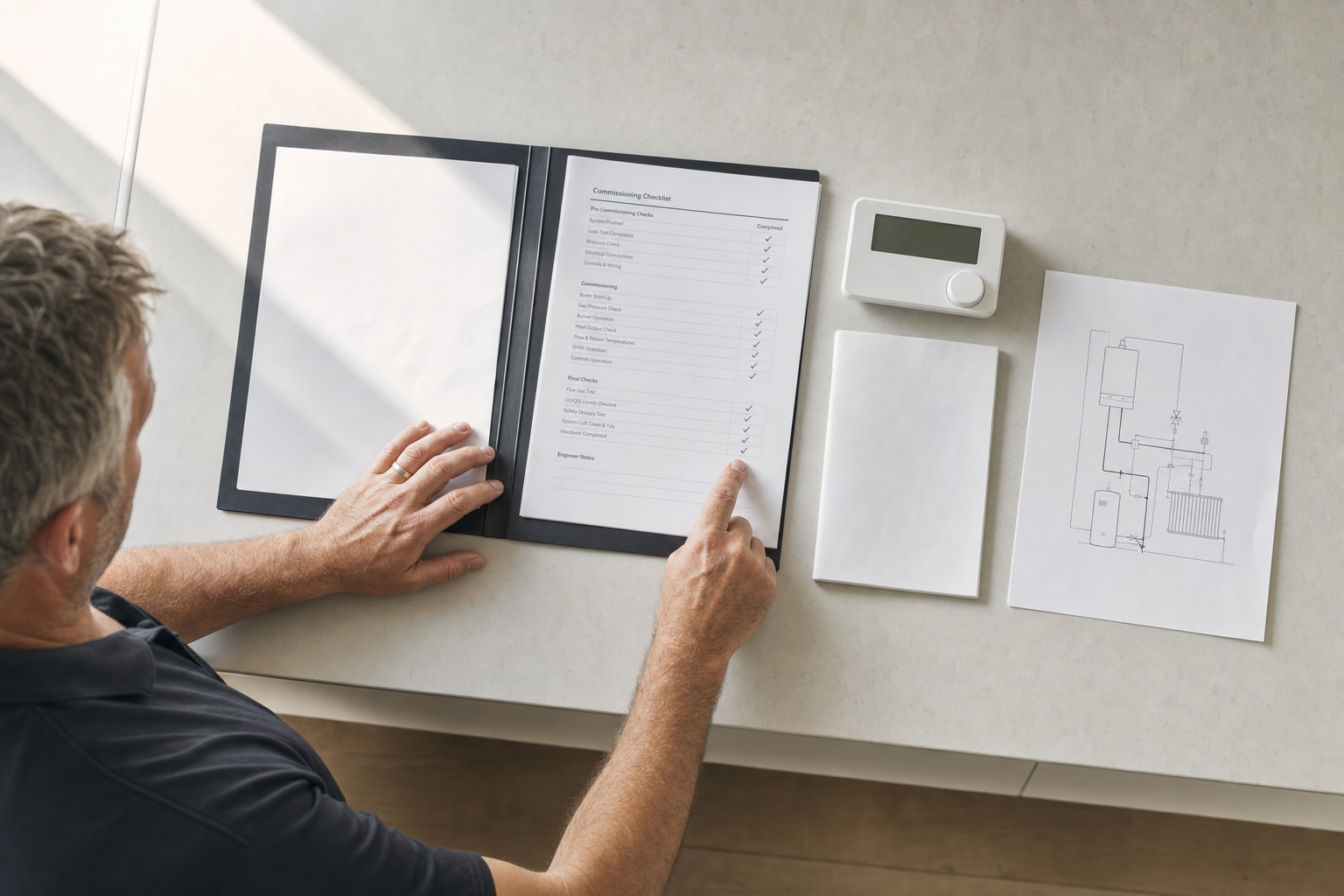
Why a planned replacement works better
Right size, not guess size
Sizing follows demand and system compatibility, helping heating and hot water stay dependable.
Old kit out properly
We remove ageing equipment carefully and reconnect the new boiler with the system in mind.
Controls you can use
A clear handover helps you run the new boiler properly from the first day.
Choosing the right boiler for the system
Replacing an ageing boiler is different from fitting one into a new layout, and both jobs need a proper look at the system first. We check heating and hot-water demand, the condition of the existing pipework, the controls in place, flue arrangements and how everything will work together once the new boiler is in. With PDF Plumbing & Heating, you get an installation plan based on the property, not a box pushed in because it is close enough. That matters when the old boiler is unreliable, undersized or simply no longer suited to how the building is used.
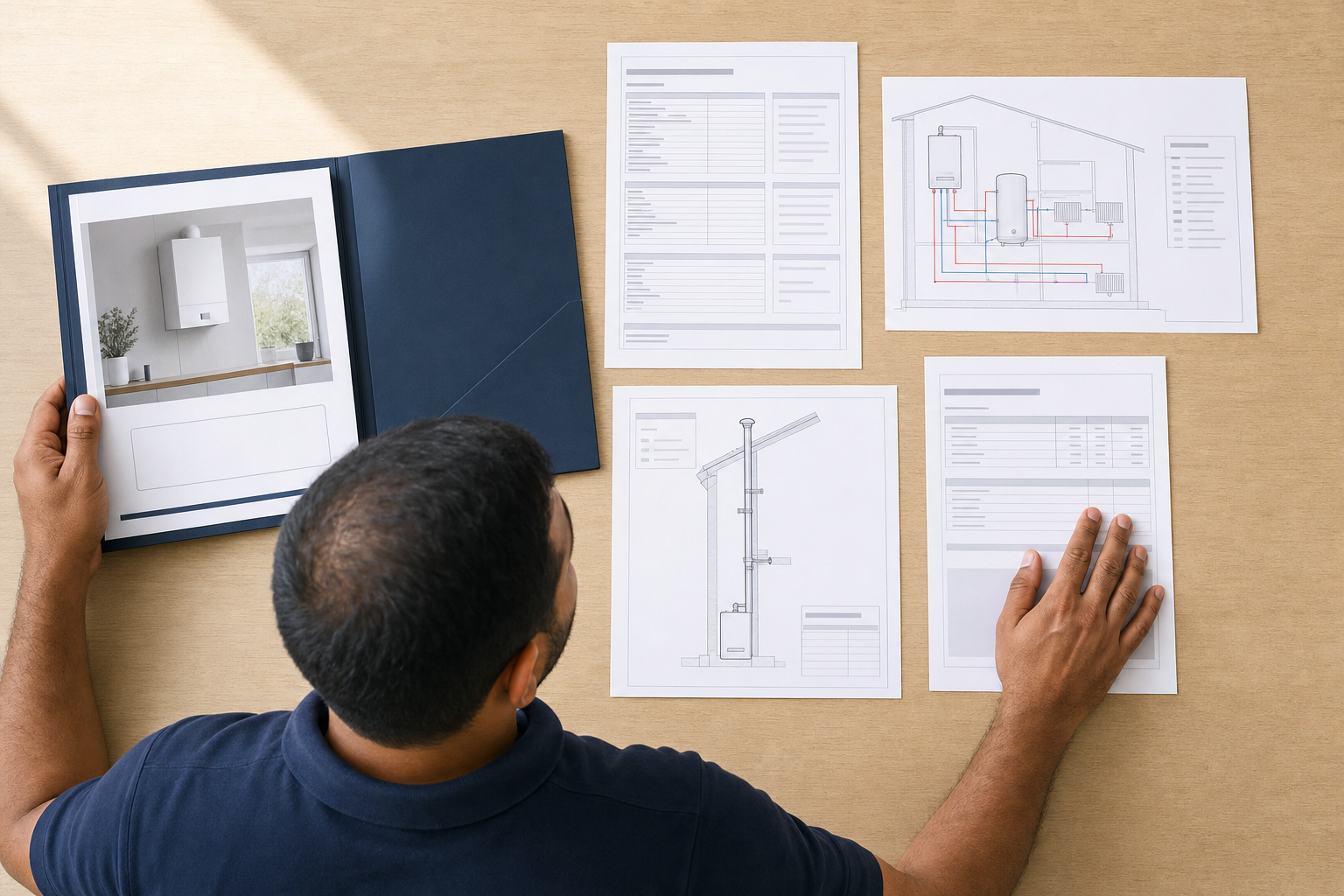
A clean changeover with clear handover
Once the specification is settled, we protect the work area, remove the old unit where needed, fit the replacement boiler and connect it back into the system with the right controls. We then test operation, check response and talk you through what each setting does, so you are not left staring at a new panel like it has landed from space. PDF Plumbing & Heating keeps the focus on dependable heating, steady hot water and a boiler setup that makes sense for the property now, not ten years ago.
Frequently asked questions
When is a boiler replacement worth considering?
If faults keep coming back, performance is dropping or the system no longer matches the building's hot-water and heating demand, replacement can make more sense than another patch repair. We look at the condition of the equipment, the pattern of faults and how practical a repair really is before advising.
What do we check before a new boiler is chosen?
We assess the property's heating and hot-water demand, the existing pipework, controls, flue route and system compatibility before equipment is selected. That helps avoid an awkward swap that looks fine on day one but struggles once the system is working under normal demand.
What happens on the day of installation?
We protect the area, remove the old boiler where needed, fit and connect the new one, then test the system and explain the controls. The aim is not just to bolt a unit to the wall, but to leave you with heating and hot water that respond properly and make sense to use.