

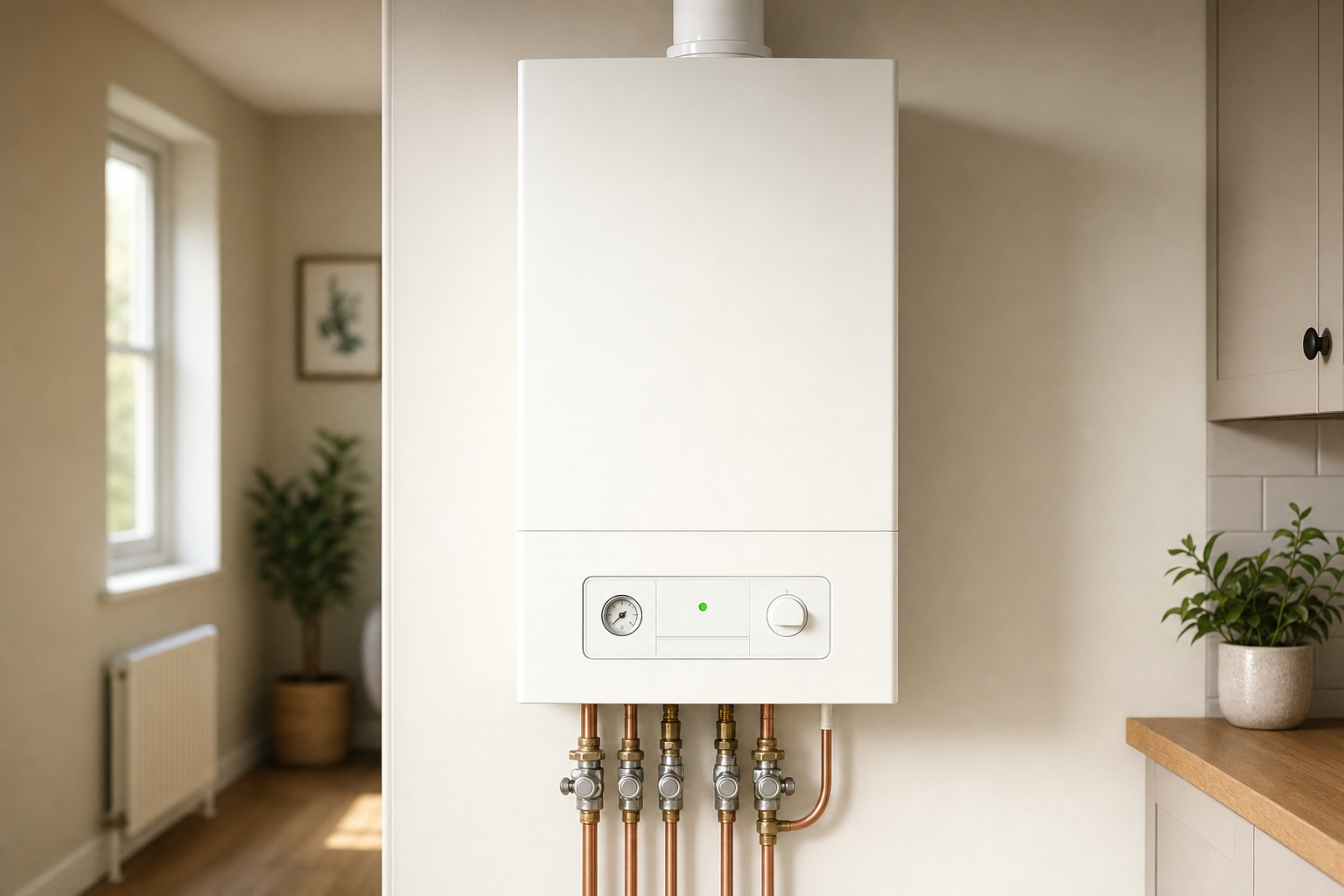
What matters in a boiler emergency
Triage before turnout
Fault codes, leaks and pressure details help us shape the first stage of the visit.
Safe use comes first
If the boiler looks unsafe or is leaking, we tell you when to stop using it.
Repair path made clear
We focus on immediate control, sound diagnosis and the right next repair step.
What we need to know straight away
When a boiler fails without warning, the first job is to get a clear picture of what has happened. We ask about fault codes, pressure readings, noises, leaks and what the boiler did just before it stopped, because those details can save time when the heating is off and the water has gone cold. With PDF Plumbing & Heating, emergency boiler repair starts with triage, not panic. If water is escaping from the boiler or there are signs of unsafe operation, we will tell you to stop using it and seek urgent professional help without delay.
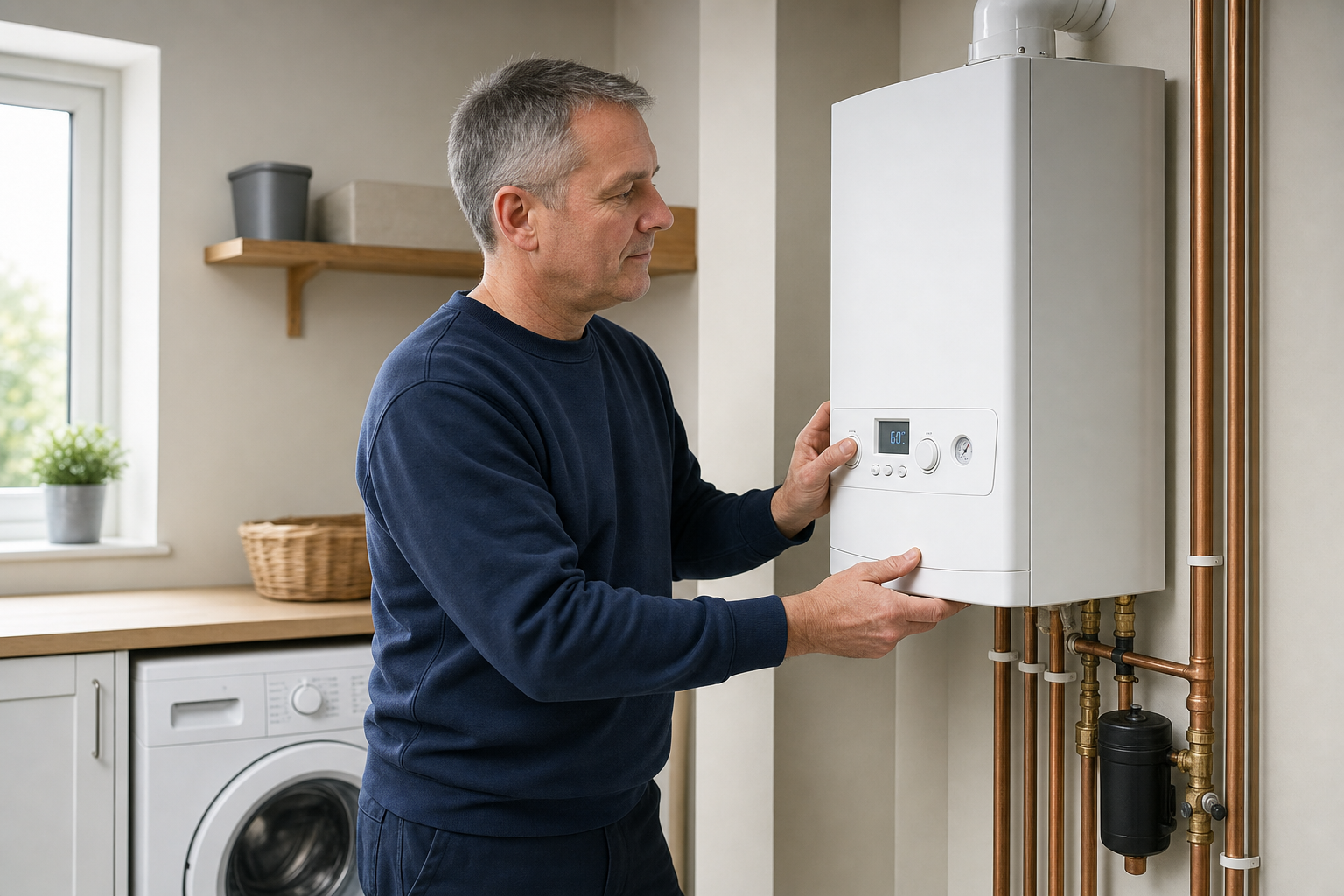
Controlling the problem and tracing the cause
Once on site, we work through the fault methodically to isolate the failed component or wider issue affecting safe, stable operation. The immediate aim is to control the breakdown, assess what has been affected and set the right repair path, whether the problem sits in the boiler itself or in connected controls and circulation. PDF Plumbing & Heating focuses on restoring dependable service, but not by pretending an unstable boiler is fine because it has fired once. We test the result and explain what happens next.
Frequently asked questions
What details help with an emergency boiler repair?
Fault codes, current pressure, unusual noises, leaks and a quick note of what happened just before the failure all help us build an early picture. Those details do not replace testing on site, but they can point us towards the most likely fault path and speed up the first stage of the visit.
Should you keep using a leaking boiler?
No. If water is escaping from the boiler or the appliance shows signs of unsafe operation, stop using it and get professional help straight away. Continuing to run equipment in that condition can make the problem worse and can also hide the real cause behind the failure once the damage spreads.
Can an emergency repair solve the whole problem at once?
Sometimes yes, but the first priority is controlling the immediate fault and restoring safe, stable operation. Once we know what has failed and how the rest of the boiler is behaving, we can tell you whether the full repair can be completed there and then or whether further work is the sensible next step.