

Why accurate detection matters
Less opening up
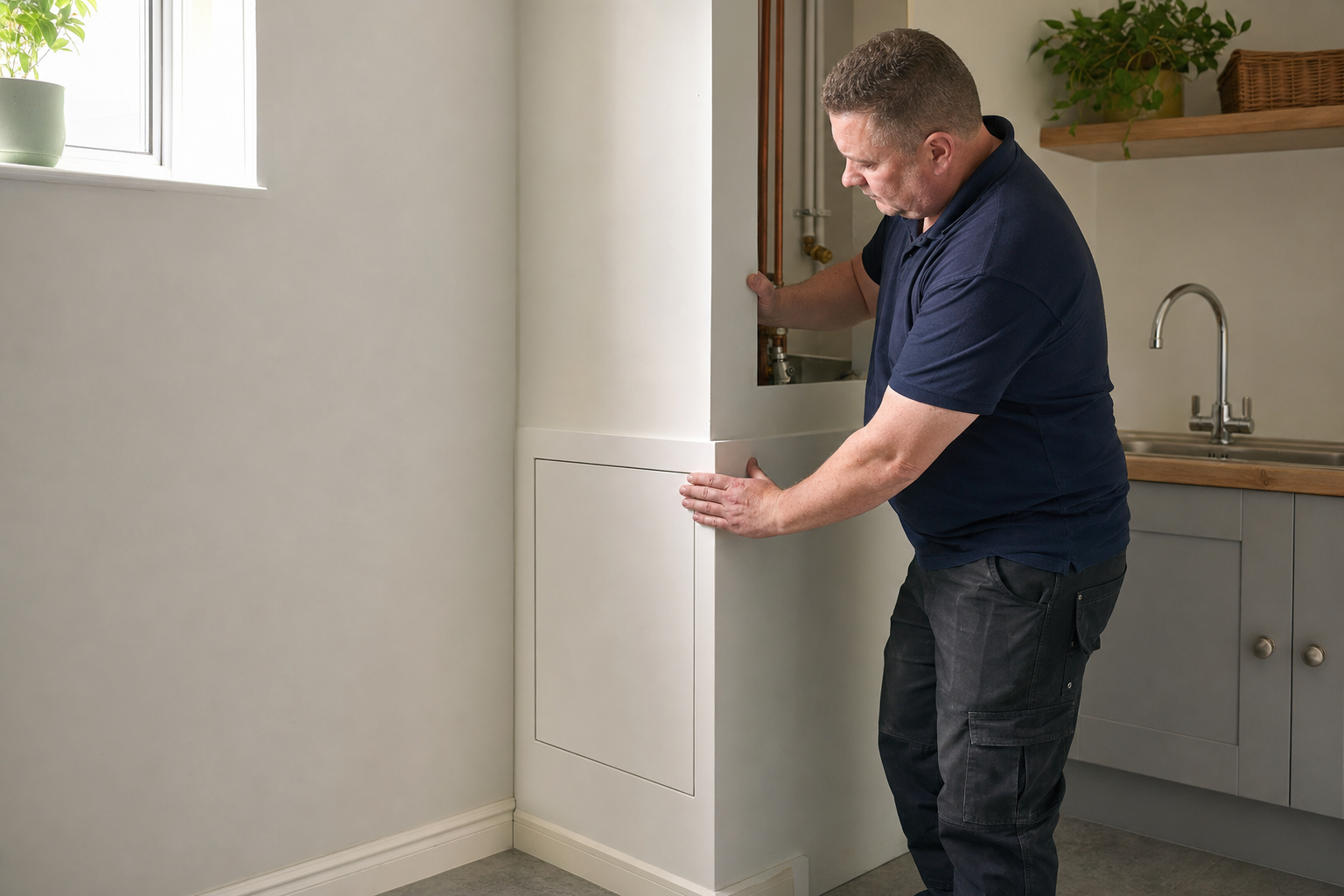
Narrowing down the source first helps limit needless disturbance to surfaces and finishes.
Plumbing and heating traced
Leaks can come from pipework, fittings or heating components, so we follow the right route.
Urgent and slow leaks handled
We tackle active escapes fast and still take hidden leaks seriously before damage spreads.
Hidden leaks rarely stay hidden for long
A rising water bill, staining on a wall, pressure that keeps dropping, mould that should not be there or the sound of running water behind a surface usually means something is going on where you cannot see it. We investigate methodically, checking visible fittings, likely pipe routes, heating components and other probable sources so the trail gets narrower before anything is opened up. With PDF Plumbing & Heating, the aim is to find the source accurately, not turn the property into a building site first and ask questions later.
Pinpoint the leak, then fix the damage
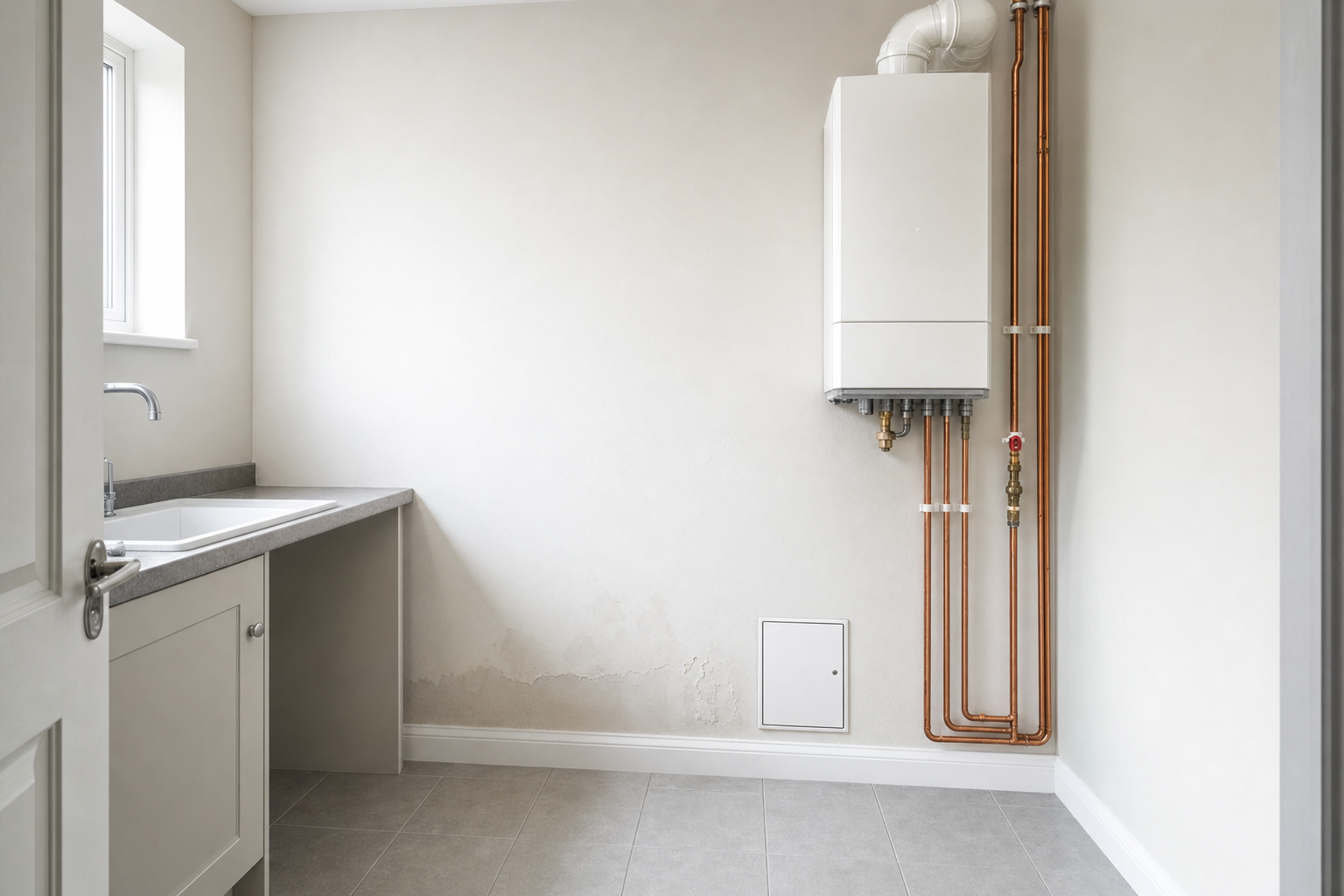
Once we know where the leak is coming from, we can expose the affected section where needed, repair the defect and confirm that the escape has stopped. An active leak needs urgent control, while a slow hidden leak often shows itself through repeat symptoms over time, but both benefit from proper diagnosis. PDF Plumbing & Heating keeps the focus on the actual source of water loss so you are not paying for broad guesswork or unnecessary damage to walls, floors or boxed-in pipework.
Frequently asked questions
What are the signs of a hidden water leak?
Common signs include unexplained water use, damp patches, staining, mould, pressure loss in a heating system or the sound of running water when everything should be quiet. None of those symptoms confirms the exact source on its own, which is why we work through the system instead of guessing behind the first marked wall.
Do we have to open walls or floors straight away?
Not usually. We first inspect visible fittings, likely pipe runs, heating parts and the pattern of symptoms to narrow down the source. That way, if an area does need to be opened, it is based on evidence rather than hope. The whole point is to avoid unnecessary mess while still getting to the leak.
What happens after the leak is found?
After locating the source, we expose the damaged section if needed, repair the defect and check that the leak has fully stopped. We also look at what the water has affected around it, because a hidden leak rarely keeps the trouble politely to one small point once it has been left running.